

Qual Tech Days 2026: A reflection

"Someone had to actually listen." 

I started in this industry in 2013 on the facility side and joined Recruit + Field in 2015 as a project manager where I wore that hat for ten years. And when I stop to actually think about how the job has changed, it's a lot. 

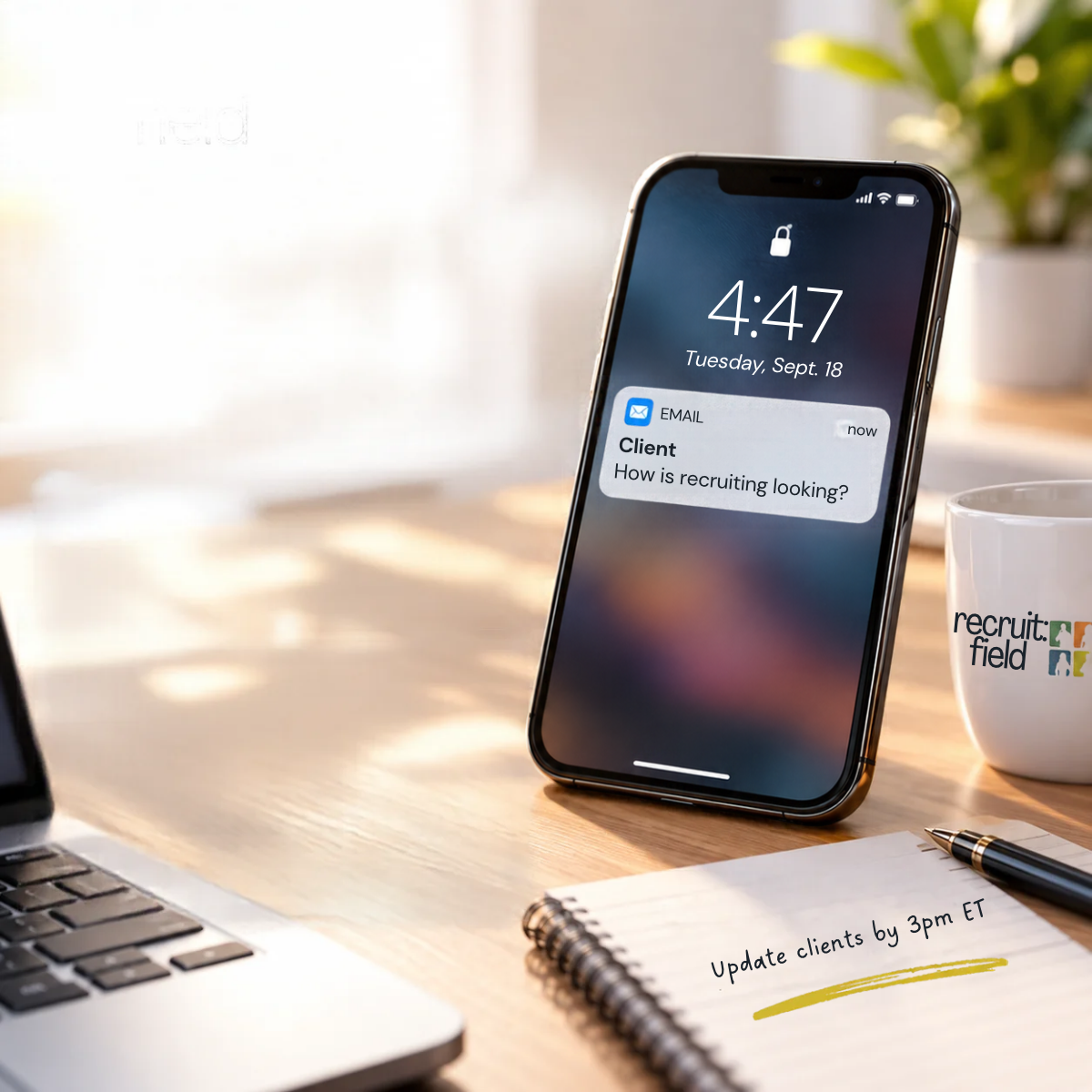
In those early years, in a busy recruiting office, we printed everything. Every screener was on paper, filled out by hand, then entered into an Excel sheet just to send an update to the client via Email.  

Slowly, that changed. We moved to digital screeners, so recruiters could stay on the phone with a respondent and fill everything out live. No double entry, no lost paper, no handwriting nobody could read by 4pm. Live grids replaced email chains full of "is this the latest version?" It wasn't dramatic. It was just better, one tool at a time. 

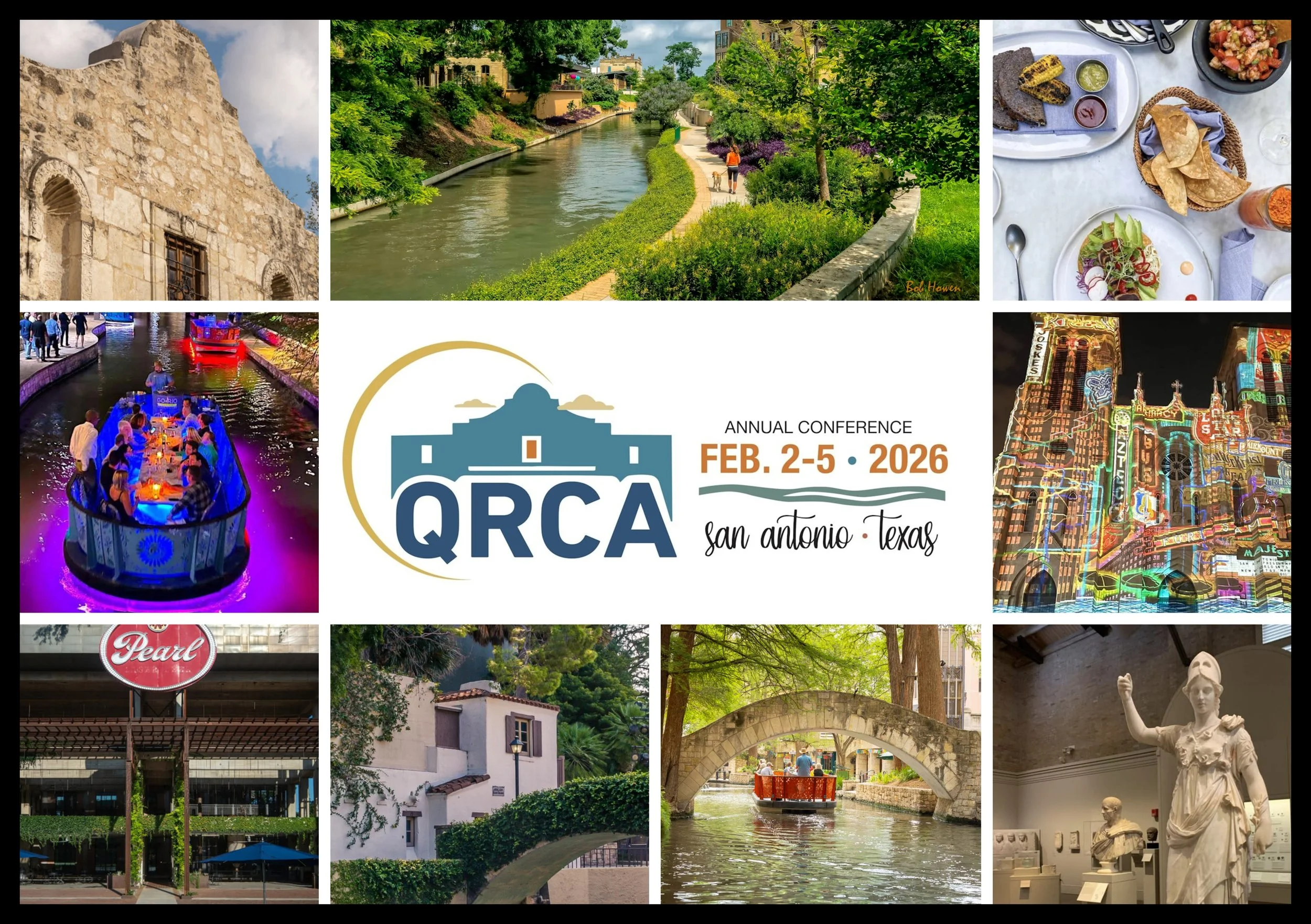
Now we're at a different kind of shift. AI is everywhere in our industry's conversation, and honestly, that's a good thing to see. I just spent three days at QRCA Qual Tech Days 2026 immersed in it — session after session on AI and qualitative research, and our industry's appetite to find new efficiencies. There's real energy in that. We should want to get better at what we do. 

But the session that actually stuck with me wasn't about a new tool at all. It was the Young Professionals panel, people at earlier points in their careers talking about how the industry has changed since they started. Listening to them, I found myself doing the same thing I'm doing right now: measuring the distance between then and now. Different starting points, same instinct. And it made me think harder about what QRCA's other sessions were actually pointing at. 

A few things I heard kept circling back to one idea. One speaker talked about what AI still can't get to, the pause before someone answers, the tone that doesn't match the words, the things that never make it into a transcript. Another spoke about qualitative researchers as a kind of cultural quality control,  the people who catch what gets lost when a voice gets flattened into data, especially when that voice comes from outside the handful of places most AI tools were trained on.   

Different rooms, different speakers, same thread: the tools keep getting better, and the human part of this work keeps mattering more, not less.  

That tracks with what I've actually lived. Every upgrade we've made: digital screeners, live grids, whatever comes next, has been in service of the same thing we were doing with paper and a pen in 2013: getting an honest read on a real person, and protecting that all the way to the client. The format around it keeps changing. That part hasn't. 

So yes, I'm excited about where our industry is headed with AI. I think we should be. But QRCA reminded me why the phone call still matters, why a recruiter's ear still catches things a form can't, and why "we just recruit" has never actually been simple. 

Twelve years of screeners, paper, then digital, then whatever's next, and the job's still the same at its core: someone has to actually listen. I don't see that part changing, no matter what shows up next. 

A Room Full of People Who Get It

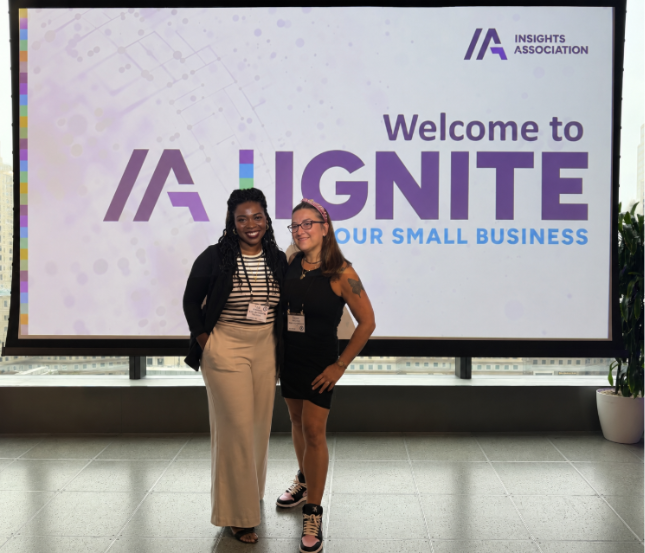
I had the opportunity to attend the AI Ignite Your Small Business Day in Manhattan on July 28th, and honestly, I left feeling like I could take on the world. 

I was surrounded by others in the market research space, small business owners and VPs of their companies, and the support, networking, and understanding you receive at these types of conferences is something not to be taken for granted. There's something deeply grounding about being in a room where people get it. Where you don't have to explain the hustle, the pressure, or the passion behind what you do. They just know. 

I had the pleasure of seeing many market research colleagues as well as meeting new ones. We exchanged ideas, shared stories, successes and failures, and all walked away with things we could implement into our businesses. That kind of open, generous exchange doesn't happen everywhere, and when it does, you feel it. 

The presentations were something else entirely. There were talks like Leading High-Functioning Teams from Susan Vogel of SB Vogel Consulting, Advocacy, Compliance, and Risk from Howard Feinberg of the Insights Association, The Empathy Engine from Junior Nyemb of Grio, and an incredible talk from J. Walker Smith of Kantar. You could hear a pin drop during these presentations. Everybody was intent on learning what they could do to better themselves, their businesses, and their teams. That kind of collective focus and hunger in a room is rare, and it's contagious. 

There were also roundtable discussions where you were able to dive into real, authentic conversation, the kind that doesn't happen on a Zoom call. I walked away with insights from sales and business development, marketing, conversations about AI, being a CEO, strategy, and development, among many other things. 

Key takeaways were the signs of a high-functioning team, how to truly grow your company and grow together, sales management and growth strategies, what's working and what's not, what other people are hearing, seeing, and doing. We talked about being innovative and creative together, stepping into a role of thought leadership, and what's truly relevant about our work and our clients. We explored the evolution of strategy and company branding, and what it means to level that up with intention. And we took a look at consumers over the years, how their needs and views have changed, which was truly insightful. That last piece hit differently when you're sitting in a room full of people who have been watching those shifts happen in real time, just like you. 

Days like these are priceless. They are so important in the market research community, especially for small businesses. To learn how to grow, thrive, and be able to sit in a room with people who share your pain, your sentiment, and want to get to the next level, personally and professionally, that's not something you find every day. 

I left feeling ignited. Grateful for the community we have. Grateful for the conversations that challenge us to think bigger. And reminded, once again, that the best growth doesn't always happen at your desk. Sometimes it happens in a room full of people who get it. 

Date Your Clients

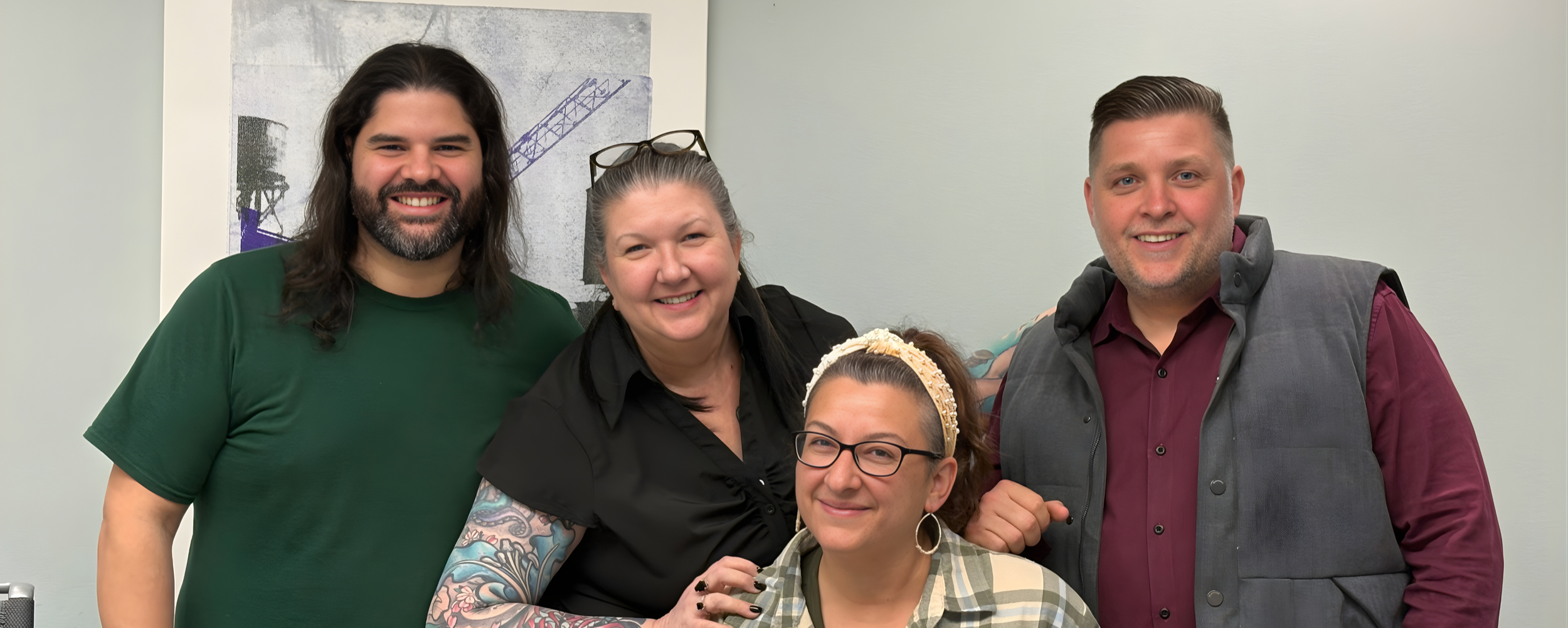
At the QRCA 2026 conference, a group of qualitative recruiters were doing what we do best; talking shop, swapping stories, and getting real about the work. 

Not projects or timelines. Not recruiting metrics or screener design. 

Relationships. 

Specifically, what it actually takes to build trust with clients over time. How communication and consistency and genuinely knowing someone as a human often matters just as much as the deliverable. 

At some point, someone laughed and said, "It's really a lot like dating your clients." 

The group immediately got it. 

And without missing a beat, I replied: "Well, would you marry someone you never dated?" 

We all had a good laugh. But underneath the humor was something real. 

Here's what I've learned after years in this industry:

Qualitative research doesn't run on processes. It runs on relationships. 

When a project goes sideways (and let's be honest, sometimes they do) it's not your tech stack that saves you. It's whether your client trusts you enough to pick up the phone and say, "This isn't working. What do we do?" And whether you've built enough trust that they believe you when you say, "We've got this." 

Relationships aren't built in perfect projects. They're built in the real ones. 

Really knowing a client isn't just knowing their company or the kind of studies they run. 

It's knowing that Sarah prefers field updates in the morning. That Mark needs proactive communication when timelines get tight. That the boutique firm you've worked with for years loves when you bring ideas to the table, not just execute what's in the screener. 

I've worked with some clients so long, I've recruited their respondents across generations. I recruited their mom. Now I recruit their daughter. 

That's not just longevity. That's relationship. 

Communication is everything. Not just the big stuff ; the kickoffs, the debriefs, the final recruit list. 

The small stuff. 

The quick check-in when incidence is trending low. The heads-up when a participant reschedules. The follow-up after a project wraps just to ask how it went. 

Clients don't expect you to be perfect. They expect you to be present

The strongest partnerships, personal or professional aren't built overnight. They're built through trust, consistency, and taking the time to truly know one another. 

So yeah. Date your clients. 

Show up. Communicate. Care. 

Because that's the real work. And honestly? It's the part I love most.